
Boulder is one of the climbing capitals of the world. From indoor training sessions to long days on the Flatirons, local climbers constantly challenge their fingers, shoulders, knees, and connective tissue. But with high training volumes and repeated strain comes a predictable reality: overuse injuries.
At Dynamic Athlete, we regularly treat climbers dealing with chronic tendon irritation, meniscus stress, and shoulder instability. When traditional rehab plateaus, many athletes begin searching for prp injections near me—and for good reason.
PRP (Platelet-Rich Plasma) therapy has become a powerful option for climbing injuries, particularly when tissue healing has stalled but surgery isn’t yet necessary.
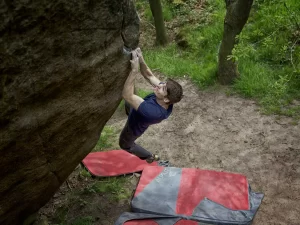
Why Climbers Get Unique Injuries
Climbing places very specific demands on the body:
- High-load shoulder positions
- Repeated finger and tendon strain
- Deep knee flexion and twisting
- Long sessions with minimal rest
Common climbing injuries include:
- Rotator cuff irritation
- Labral stress
- Meniscus degeneration
- Chronic knee inflammation
- Tendon overload
Because climbers depend on connective tissue durability, regenerative strategies like PRP often align better with long-term performance goals than short-term symptom suppression.
What Is PRP and Why It Works for Climbers
PRP therapy uses a concentrated portion of your own blood, rich in platelets and growth factors, to stimulate tissue repair.
Unlike cortisone injections—which suppress inflammation—PRP supports healing by:
- Stimulating collagen production
- Enhancing blood flow
- Improving tissue quality
- Supporting structural repair
For climbers who want to preserve joint integrity and tendon strength, this biological approach makes sense.
PRP for Meniscus Tears in Climbers
Deep drop knees and high-step maneuvers can stress the meniscus over time. When knee pain persists despite strength work, a prp meniscus tear injection may be considered.
A prp knee injection can help:
- Reduce chronic joint irritation
- Support meniscal tissue repair
- Improve load tolerance
- Delay or avoid surgical intervention
Climbers often ask about prp knee injection cost, but cost should always be weighed against long-term joint preservation.
PRP for Shoulder & Rotator Cuff Injuries
Shoulder injuries are extremely common in climbers due to overhead loading and dynamic movements.
PRP options may include:
- PRP shoulder injection for chronic joint inflammation
- PRP rotator cuff injection for partial tendon tears
- Targeted injections for biceps tendon irritation
Climbers frequently report shoulder pain that improves with rehab—but never fully resolves. PRP may help when the tissue needs biological support beyond strengthening alone.
If you’re searching for a prp doctor near me for shoulder pain, make sure the provider understands climbing biomechanics.
Why Boulder Climbers Respond Well to PRP
Climbers tend to:
- Have strong baseline conditioning
- Understand load progression
- Commit to rehab compliance
- Prioritize longevity
These factors significantly improve PRP therapy outcomes.
At Dynamic Athlete, PRP is never used as a standalone procedure. It’s integrated with movement assessment, climbing-specific strength progression, and return-to-wall protocols.
PRP Injection Cost: What Climbers Should Know
Many athletes compare prp injection cost online, but pricing varies based on:
- Type of injury
- Injection complexity
- Imaging guidance
- Platelet concentration quality
- Rehab integration
Lower-cost clinics may skip critical steps like precision guidance or sport-specific follow-up.
When evaluating a prp clinic near me, consider expertise over price alone.
When Should Climbers Consider PRP?
PRP may be appropriate when:
- Pain persists beyond 8–12 weeks
- Strength improves but tissue pain remains
- Imaging shows degeneration, not rupture
- Repeated flare-ups limit training
- You want to avoid surgery
PRP is especially valuable for climbers who want to continue progressing without long layoffs.
What to Expect After a PRP Injection
After a PRP knee injection, PRP shoulder injection, or other targeted procedure, recovery typically follows this pattern:
- Mild soreness for several days
- Gradual improvement over 3–6 weeks
- Tissue remodeling over 8–12 weeks
- Progressive return to climbing load
Climbers must respect the reloading timeline. Returning too quickly can limit results.
Why Dynamic Athlete Is Different
At Dynamic Athlete, we understand the demands of Boulder’s climbing community.
Our approach includes:
- Detailed movement and climbing-specific evaluation
- Imaging-guided injections
- Tailored PRP protocols
- Integrated rehab
- Return-to-climb progression plans
We don’t just reduce pain—we rebuild durability.
When climbers search for prp injections near me, they’re often looking for someone who understands the sport—not just the injection.
PRP vs “Push Through It”
Climbers are known for tolerance and grit. But pushing through chronic pain often leads to:
- Tendon degeneration
- Compensatory movement
- Larger joint issues
- Longer downtime
PRP offers a way to address tissue breakdown before it becomes surgical.
Final Thoughts
Boulder climbers demand high performance from their bodies. When connective tissue begins to fail, the right intervention matters.
Whether you’re considering a prp meniscus tear injection, prp rotator cuff injection, or exploring prp knee injection cost, the key is choosing a provider who understands both regenerative medicine and climbing biomechanics.
At Dynamic Athlete, our goal is simple: keep you climbing—stronger, smarter, and longer.