
Turning 40 in Boulder doesn’t mean slowing down. In fact, many of the city’s most dedicated runners, cyclists, skiers, climbers, and CrossFit athletes are in their 40s and 50s. They’re balancing careers, families, and high-performance lifestyles—and they’re not ready to give up the activities that define them.
But after 40, recovery changes. Tendons stiffen. Cartilage thins. Inflammation lingers longer. Small injuries take more time to heal. That’s where PRP Therapy Boulder has become a powerful tool for active professionals who want to stay competitive without resorting to surgery.
At Dynamic Athlete, we often see patients asking:
“Is this just aging—or can I actually fix it?”
Let’s break down why PRP makes sense after 40.
Why Recovery Changes After 40
Biology shifts with age:
- Collagen production decreases
- Blood supply to tendons reduces
- Cartilage becomes less resilient
- Inflammatory responses become slower to resolve
The result? That nagging knee pain doesn’t disappear after a few rest days. Shoulder irritation lingers. The Achilles feels tight for months.
For many, conservative rehab improves strength—but pain remains. This is when people start searching for prp injections near me.
What Is PRP and Why It Works After 40
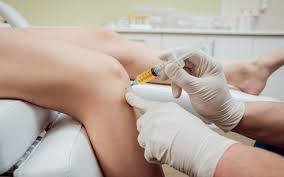
PRP (Platelet-Rich Plasma) therapy uses your own concentrated platelets to stimulate tissue repair. A simple blood draw is processed to isolate growth factors, which are then injected into the injured area.
A prp injection in knee works by:
- Stimulating collagen production
- Increasing localized healing signals
- Supporting cartilage and tendon health
- Improving joint environment
Unlike cortisone, which suppresses inflammation temporarily, PRP encourages long-term healing.
For active adults over 40, this biological stimulation often aligns better with long-term performance goals.
Why Boulder’s 40+ Athletes Respond Well
Boulder’s active professionals tend to have:
- Strong baseline conditioning
- Consistent training habits
- Disciplined recovery routines
- Commitment to rehab
These factors significantly improve outcomes after a prp injection knee procedure.
PRP works best in individuals who:
- Maintain muscle strength
- Manage load appropriately
- Follow structured return-to-activity plans
In other words, it’s not just the injection—it’s the system.
Common PRP Applications After 40
1. Knee Pain & Early Arthritis
One of the most common uses is a prp injection in knee for:
- Early cartilage wear
- Meniscus irritation
- Chronic inflammation
- Activity-related knee pain
For professionals who hike, ski, or trail run, preserving knee health is essential.
2. Tendon Injuries
After 40, tendons lose elasticity. PRP may help with:
- Patellar tendinopathy
- Achilles tendon pain
- Tennis elbow
- Shoulder irritation
These injuries often become chronic without biological intervention.
PRP Injections Cost: What Should You Expect?
Many patients research prp injections cost before understanding what affects pricing.
Cost varies based on:
- Injection location
- Imaging guidance
- Platelet concentration quality
- Provider expertise
- Follow-up care
Lower pricing often reflects simplified protocols. Higher-quality care may involve precision-guided injections and integrated rehab.
For active professionals, the question isn’t just cost—it’s longevity.
What a PRP Shot Timeline Looks Like
After a PRP shot, most patients experience:
- Mild soreness for 3–7 days
- Gradual improvement in 3–6 weeks
- Continued remodeling over 8–12 weeks
This timeline requires patience. PRP is not an instant fix—it’s a regenerative process.
The key after 40 is respecting load progression during this window.
PRP vs “Just Push Through It”
Many high-performing professionals are used to pushing through discomfort. But ignoring persistent joint pain often leads to:
- Compensatory movement
- Accelerated cartilage wear
- Increased injury risk
- Surgical interventions later
PRP offers a way to address tissue breakdown earlier—before damage becomes structural.
When Should You Consider PRP After 40?
You may benefit if:
- Pain persists beyond 8–12 weeks
- Strength improves but symptoms remain
- Imaging shows early degeneration
- Cortisone provided only short-term relief
- You want to avoid surgery
If you’re searching for prp injections near me, make sure your provider evaluates both biomechanics and tissue health.
Why Dynamic Athlete
At Dynamic Athlete, PRP is not offered casually. It’s recommended when:
- Diagnosis supports biological healing
- Conservative rehab has plateaued
- Long-term performance is the goal
Our process includes:
- Detailed movement analysis
- Imaging-guided injection
- Structured strength progression
- Activity-specific return plans
We treat active adults who want to stay active—not just feel better temporarily.
PRP After 40: It’s About Staying in the Game
Aging doesn’t mean quitting. It means adjusting strategy.
For Boulder’s active professionals, PRP offers a middle path between rest and surgery. It’s a tool for preserving durability, maintaining activity, and continuing to perform at a high level.
Whether you’re training for your next half marathon, skiing back-to-back powder days, or simply want pain-free hikes with your family, PRP may help extend your performance window.
Final Thoughts
After 40, healing requires intention. The body still adapts—but it needs the right stimulus.
PRP Therapy Boulder has become a valuable option for active professionals who want to maintain strength, protect joints, and stay in the game long-term.
If knee pain or chronic tendon irritation is holding you back, a properly guided prp injection knee may provide the biological support your body needs.
At Dynamic Athlete, our goal isn’t just recovery—it’s longevity.