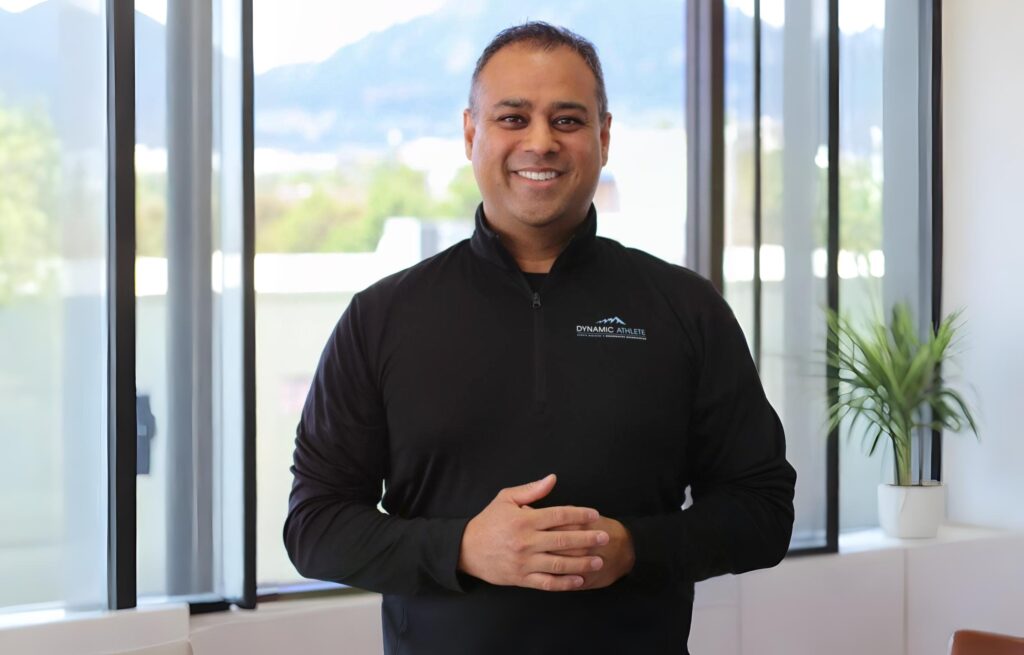
Pickleball is the fastest-growing sport in America, but it is also the fastest-growing source of orthopedic injuries walking into the clinic. ER visits related to the sport have surged from 1,300 in 2014 to over 24,000 in 2023! In this episode of The Regen Doc, Dr. Aneesh Garg explains why this seemingly casual game is actually a high-demand sport that is beating up your knees, Achilles, shoulders, and elbows. Tune in to learn why the smaller court size actually condenses and magnifies the physical toll, how the “one-foot box” training mentality leaves you vulnerable to lateral injuries, and how advanced regenerative protocols can build an unbreakable foundation so you can keep playing the game you love.
Main Topics Covered
- The 1800% Surge: Why pickleball injuries have skyrocketed over the last decade and why the sport’s quick, lateral stop-and-start movements on hard courts are so brutal on unconditioned joints.
- The Court Size Paradox: Why playing on a surface 22 feet shorter than a tennis court actually condenses your movements and drastically increases the physical demand on your body.
- The “One-Foot Box” Weakness: How runners, cyclists, and triathletes heavily overtrain in a straight line and fail to train for lateral movement, leaving their hips and core completely unprepared for pickleball.
- Building the Foundation: How treatments like the Dynamic Core Plus protocol (utilizing Emsella and Focused Shockwave) strengthen the pelvic floor and core to create an essential wall of physical support.
- The Mental Health Toll: Acknowledging the hidden emotional and social impact of being sidelined from your favorite weekly community activity.
Treat Before Failure: Why the absolute best time to treat Achilles tendinopathy or knee pain is the very moment you feel it, long before a complete tendon rupture occurs.
Key Takeaways
- Respect the Demand: Pickleball is not a low-impact sport. It requires serious physical preparation, core strength, and joint stability to play safely multiple times a week.
- Prehab is Crucial: You must build strength outside of simple forward-motion exercises. Developing your hip and pelvic floor strength is non-negotiable for lateral sports.
- Do Not Ignore the Warning Signs: Pushing through minor aches and assuming it is just “getting older” turns a highly treatable issue into a massive, months-long surgical recovery.
- Keep Playing: The goal is never to quit the sport. The goal is to address the wear and tear early using regenerative medicine so you can stay active, social, and on the court pain-free.
Call to Action
If your body is barking at you after your weekend matches, it is time to take control of your healing before a serious injury takes you off the court! Please follow, like, and share The Regen Doc podcast to help other players stay active and pain-free.
Connect with Dr. Aneesh Garg:To learn more about his practice, read up on the dynamic shockwave protocols, and see if you are a candidate for regenerative medicine, visit DynamicAthlete.com.