
Platelet-Rich Plasma (PRP) therapy has become one of the most talked-about regenerative treatments for joint pain, tendon injuries, and sports-related conditions. Why PRP Fails for Many active adults search for PRP injections near me hoping for a quick, long-lasting solution to knee pain, tendon issues, or chronic joint discomfort.
Yet despite its popularity, a significant number of patients report disappointing PRP therapy results. The question is—why does our PRP therapy in Boulder work incredibly well for some people, while others see little to no improvement?
At Dynamic Athlete, we believe PRP doesn’t “fail” randomly. Outcomes depend on very specific factors that are often overlooked. This article breaks down why PRP underperforms for many active adults—and what truly determines whether PRP succeeds.
The Promise of PRP Therapy – PRP Fails?
PRP therapy uses a patient’s own blood, concentrating platelets and growth factors that support tissue repair and healing. PRP injections are commonly used for:
- Knee osteoarthritis
- Tendon and ligament injuries
- Overuse injuries
- Sports-related joint pain
- Chronic inflammation
In theory, PRP stimulates the body’s natural healing response rather than masking pain. But in practice, results vary widely.
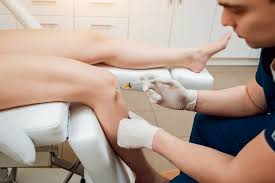
Why PRP Therapy Results Often Disappoint
1. Poor Patient Selection
One of the biggest reasons PRP therapy fails is that it’s used for the wrong condition—or the wrong stage of injury.
PRP works best when:
- There is viable tissue capable of healing
- The condition is degenerative or inflammatory, not structural damage
- The injury is not end-stage
PRP is far less effective for:
- Bone-on-bone arthritis
- Complete tendon ruptures
- Severe joint instability
- Advanced cartilage loss
Many clinics offer PRP as a universal solution, without proper diagnostics or movement evaluation. At Dynamic Athlete, patient selection is a critical step before recommending PRP.
2. Low-Quality PRP Preparation
Not all PRP injections are the same.
PRP effectiveness depends on:
- Platelet concentration
- White blood cell content
- Plasma purity
- Centrifugation protocol
Some clinics produce PRP with platelet levels barely above baseline, which significantly limits healing potential. Others use generic preparation kits without tailoring the PRP to the injury type.
High-quality PRP preparation is one of the most overlooked factors influencing PRP therapy results.
3. Injection Technique Matters More Than Most People Realize
PRP must be placed precisely into the damaged tissue to be effective.
Common mistakes include:
- Blind injections without imaging guidance
- Poor anatomical targeting
- Injections placed around, not into, the injured tissue
At Dynamic Athlete, PRP injections are performed with advanced imaging guidance to ensure accuracy—especially for joints like the knee, where millimeters matter.
This precision is a major differentiator for patients seeking PRP injections Boulder with reliable outcomes.
4. PRP Is Not a Standalone Treatment
One of the biggest misconceptions is that PRP alone will “fix” the problem.
PRP stimulates healing—but how the tissue is loaded afterward determines whether healing sticks.
Without:
- Proper rehab
- Progressive loading
- Movement correction
- Strength restoration
PRP gains can fade or fail entirely.
This is why many active adults report short-term improvement, followed by recurring pain weeks or months later.
What Actually Determines PRP Success
1. Accurate Diagnosis
PRP success starts with understanding why pain exists.
Is knee pain caused by:
- Patellar tendon overload?
- Cartilage degeneration?
- Poor hip mechanics?
- Load mismanagement?
At Dynamic Athlete, diagnosis includes:
- Movement assessment
- Imaging review
- Load and training analysis
This ensures PRP is used for the right reason—not as a guess.
2. Condition-Specific PRP Protocols
PRP for tendon injuries differs from PRP for joint degeneration.
For example:
- PRP for knee pain Boulder requires a different formulation and placement than PRP for Achilles tendinopathy.
- White blood cell concentration matters depending on inflammatory status.
- Injection timing relative to activity levels affects outcomes.
Customized protocols lead to better PRP therapy results.
3. Rehabilitation Drives Long-Term Results
PRP initiates healing—but rehab directs it.
Effective post-PRP rehab focuses on:
- Gradual tissue loading
- Restoring strength and range of motion
- Improving joint mechanics
- Preventing re-injury
At Dynamic Athlete, PRP is integrated into a structured rehab plan—not treated as a one-time procedure.
4. Patient Expectations and Timeline
PRP is not instant pain relief.
Typical recovery timelines:
- Initial soreness: 3–7 days
- Early improvement: 3–6 weeks
- Tissue remodeling: 8–12 weeks
- Full benefit: up to 6 months
Patients expecting immediate results often assume PRP failed when healing is still underway.
PRP Treatment Cost in Boulder: What Are You Really Paying For?
When searching for PRP treatment cost Boulder, many people compare prices without understanding what’s included.
Lower costs may reflect:
- Lower platelet concentration
- No imaging guidance
- Minimal follow-up
- No rehab integration
Higher-quality PRP includes:
- Advanced preparation protocols
- Precision-guided injections
- Comprehensive evaluation
- Post-procedure care planning
At Dynamic Athlete, PRP pricing reflects clinical precision and outcome-focused care, not just the injection itself.
Finding the Right PRP Injections Near You
If you’re searching for PRP injections near me, consider asking these questions before committing:
- How is PRP prepared?
- Are injections image-guided?
- Is PRP combined with rehab?
- Is my condition appropriate for PRP?
- What outcomes can I realistically expect?
These questions separate outcome-driven care from PRP “volume clinics.”
Why Active Adults Choose Dynamic Athlete for PRP in Boulder
At Dynamic Athlete, PRP is not treated as a trend—it’s a tool used strategically within a broader performance and recovery framework.
Patients choose us for:
- Evidence-based PRP protocols
- Precision-guided PRP injections Boulder
- Integrated rehabilitation programs
- Honest patient selection
- Long-term outcome focus
Whether you’re an athlete, runner, hiker, or active professional dealing with knee pain or chronic joint issues, our approach prioritizes lasting results—not short-term relief.
Most PRP fails for one reason: it’s under-dosed.
The average clinic spins platelets to 2-3x baseline. Dynamic PRP+ concentrates them 12-20x (~10 billion), adds Exosome-Containing Fibrin-Rich Plasma, and places it under live ultrasound – performed by Dr. Garg himself. That’s the difference between “we tried PRP” and PRP that actually works.
See how Dynamic PRP+ is different →
Final Thoughts
PRP therapy doesn’t fail randomly. Poor outcomes usually stem from improper diagnosis, low-quality preparation, inaccurate injection technique, or lack of rehabilitation.
When done correctly, PRP can be a powerful tool—especially for PRP for knee pain Boulder and other activity-limiting conditions.
If you’re considering PRP or have had disappointing results in the past, understanding these factors can make the difference between frustration and recovery.
PRP doesn’t heal people—systems do.
And at Dynamic Athlete, that system is built for active adults who want to stay active.
Frequently asked questions
Why does PRP fail for so many active adults?
The failure is rarely about PRP as a treatment category; it comes down to three variables: an inadequate platelet dose, a diagnosis that missed the involved tissue, or an injection placed by feel instead of live ultrasound. Dynamic PRP+ is built to control all three, a measured high-dose preparation, an ultrasound-confirmed diagnosis, and ultrasound-guided placement by Dr. Garg.
What determines whether PRP actually works?
Dose, diagnosis, and delivery decide the outcome. Dynamic PRP+ controls the first variable directly, concentrating platelets 12–20x baseline (over 10 billion platelets); the diagnosis still has to correctly identify the injured tissue, and the injection still has to land precisely in it under live ultrasound, not by landmark alone.
I had PRP before and it did not help. Could a different approach work?
Often, yes, when the first attempt was underdosed, misdiagnosed, or placed without ultrasound guidance. A new evaluation with Dr. Garg, including a fresh dynamic ultrasound exam and imaging review, identifies whether those variables were the issue and whether Dynamic PRP+ is a better-controlled next attempt.
Are active adults and athletes harder to treat with PRP?
They are more demanding cases, not harder in principle: an active adult’s tissue has to tolerate real training load, not just daily activity, so an underdosed or imprecisely placed injection shows its limits faster. Dynamic PRP+ is built around the higher, measured dose that active tissue under real load typically requires.