
Shoulder labrum tears are common in active adults—especially lifters, climbers, throwing athletes, and CrossFit participants. When pain lingers and instability affects performance, the next question often becomes:
Should you get surgery—or consider stem cell therapy?
At Dynamic Athlete, we help patients evaluate both options carefully. The decision isn’t about choosing the newest trend. It’s about understanding injury type, tissue quality, activity goals, and long-term joint health.
If you’ve been searching for stem cell therapy near me after a labrum diagnosis, this guide will help you make a more informed decision.
Understanding Shoulder Labrum Tears
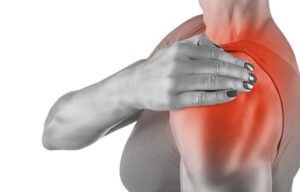
The labrum is a ring of cartilage that stabilizes the shoulder joint. It deepens the socket and supports smooth, controlled movement.
Labral tears can occur due to:
- Traumatic dislocation
- Repetitive overhead motion
- Heavy lifting
- Long-term instability
Symptoms often include:
- Deep shoulder pain
- Clicking or catching
- Weakness during overhead movement
- Feeling of instability
Not all labrum tears are the same—and not all require surgery.
When Surgery Makes Sense
Surgical repair may be appropriate when:
- There is significant instability
- The shoulder repeatedly dislocates
- There is a large, displaced tear
- Conservative treatment has clearly failed
Surgery involves reattaching or repairing the torn labrum. Recovery typically includes:
- Several weeks in a sling
- Months of rehabilitation
- Gradual return to full activity
While surgery can be effective, it is invasive and irreversible.
When Stem Cell Therapy May Be Considered
Stem cell therapy offers a regenerative approach that aims to support tissue healing and reduce inflammation.
For certain labral tears—particularly partial or degenerative tears—stem cell therapy may:
- Improve joint environment
- Reduce chronic inflammation
- Support connective tissue healing
- Enhance stability through biological support
Many patients exploring stem cell clinic near me are doing so because they want to preserve their native tissue and avoid surgery if possible.
Stem Cells and Shoulder Injuries
Stem cell therapy has been more commonly discussed for knee conditions, but it also applies to shoulder injuries.
For example:
- Stem cell therapy for rotator cuff tear is often used for partial tendon tears.
- Labral support may benefit from regenerative injections depending on tear type and joint stability.
The key is determining whether the tear is structural and unstable—or degenerative and inflammation-driven.
Comparing Surgery vs Stem Cell Therapy
Surgery
- Repairs mechanical instability
- Invasive procedure
- Longer downtime
- Structured recovery process
Stem Cell Therapy
- Minimally invasive
- Focuses on biological healing
- Lower immediate risk
- Requires careful patient selection
The right choice depends on:
- Tear severity
- Stability testing
- Activity demands
- Imaging findings
- Willingness to commit to rehab
At Dynamic Athlete, we never recommend stem cells when surgery is clearly necessary—but we also avoid surgery when regenerative options are appropriate.
Why Stem Cell Therapy Is Often Associated with Knees
Many patients searching for stem cell therapy near me initially encounter information about knees.
Common knee applications include:
- Stem cell knee injection for cartilage support
- Stem cell therapy for knee arthritis
- Joint preservation strategies
Patients frequently ask about knee stem cell therapy cost while researching options. The reason knee therapy is more common is simple: knees bear weight and experience chronic degeneration more frequently.
But regenerative medicine is not limited to knees—it applies to multiple joints, including the shoulder.
Stem Cell Therapy Cost: What Should You Expect?
Cost is one of the most common concerns.
Stem cell therapy cost varies based on:
- Biologic source (e.g., bone marrow vs adipose)
- Complexity of procedure
- Imaging guidance
- Provider expertise
- Rehab integration
While patients often compare pricing online, choosing a provider based solely on cost can compromise outcomes.
When evaluating a stem cell clinic near me, focus on:
- Experience with your specific injury
- Imaging-guided precision
- Honest patient selection
- Structured follow-up care
Who Is a Good Candidate for Stem Cell Therapy for Labrum Tears?
You may be a candidate if:
- Your tear is partial or degenerative
- You do not have recurrent instability
- You want to avoid surgery
- You are committed to rehab
- Your imaging does not show severe structural disruption
Stem cell therapy is not a shortcut. It works best when combined with:
- Movement correction
- Shoulder stabilization training
- Gradual return-to-sport planning
Why Dynamic Athlete Takes a Measured Approach
At Dynamic Athlete, our decision-making process includes:
- Detailed shoulder stability testing
- Imaging review
- Sport-specific demands
- Honest risk assessment
- Regenerative options when appropriate
We do not automatically recommend surgery. We do not automatically recommend stem cells.
We recommend what aligns with your injury and your goals.
Final Thoughts
Should you get surgery or stem cells for a shoulder labrum tear?
The answer depends on the tear type, stability, and long-term performance goals.
For severe instability, surgery may be necessary. For partial or degenerative tears, stem cell therapy may offer a joint-preserving alternative.
If you’re searching for stem cell therapy near me, start with a comprehensive evaluation—not a procedure.
At Dynamic Athlete, our goal is simple: Help you make the right decision the first time—so you can return to performance with confidence.