
Hamstring tendinopathy is one of the most frustrating injuries for runners, cyclists, field sport athletes, and even desk-bound professionals. Unlike an acute hamstring strain, this condition develops gradually and lingers. Pain is often felt deep in the lower glute or upper hamstring, especially when sprinting, climbing hills, sitting for long periods, or accelerating.
When rest, stretching, and strengthening exercises fail to resolve symptoms, many patients begin exploring advanced treatment options. One of the most discussed options today is shockwave therapy.
So, does shockwave work for hamstring tendinopathy? In many cases, yes, when applied correctly and integrated into a structured rehab plan.
Understanding Hamstring Tendinopathy
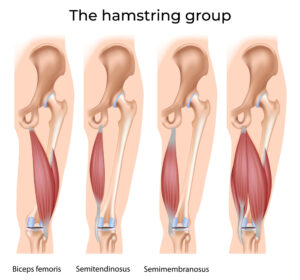
Hamstring tendinopathy typically affects the proximal hamstring tendon, where it attaches near the sitting bone (ischial tuberosity). It is usually caused by repetitive overload rather than a single traumatic event.
Common causes include:
-
High running volume
-
Sprinting or hill training
-
Sudden increases in training intensity
-
Weak glutes or poor pelvic control
-
Prolonged sitting with irritated tissue
Over time, the tendon becomes degenerative. Instead of healthy, aligned collagen fibers, the tissue shows breakdown and poor remodeling. This is why simple rest rarely fixes the issue.
Why Traditional Treatments Sometimes Fail?
Most initial treatment plans include:
-
Eccentric strengthening
-
Isometric loading
-
Glute activation exercises
-
Soft tissue therapy
-
Activity modification
These approaches are important. However, in chronic cases, the tendon’s biological healing capacity may be reduced. The tissue is no longer inflamed—it is degenerative.
When the tendon fails to respond to progressive loading alone, shockwave therapy may help stimulate healing at a deeper level.
What Is Shockwave Therapy?
Shockwave therapy uses acoustic waves delivered directly into the injured tissue. These high-energy pulses stimulate a controlled healing response.
Shockwave works by:
-
Increasing blood flow to the affected area
-
Stimulating collagen production
-
Encouraging tendon remodeling
-
Reducing chronic pain signaling
-
Breaking up degenerative tissue patterns
For chronic tendon injuries like hamstring tendinopathy, this biological stimulation can restart the healing process.
Does Shockwave Actually Work for Hamstring Tendinopathy?
Clinical research and real-world outcomes show that shockwave therapy can be effective for chronic tendinopathies—including the proximal hamstring tendon.
It tends to work best when:
-
Symptoms have lasted longer than 8–12 weeks
-
Progressive strengthening has plateaued
-
Pain limits return to sport
-
Imaging shows tendon degeneration rather than acute tear
Shockwave therapy is particularly helpful when the tendon has become “stuck” in a failed healing cycle.
What to Expect During Treatment?
Shockwave therapy sessions typically last 10-20 minutes. A handheld device delivers focused acoustic waves to the painful tendon attachment.
Patients may experience:
-
Mild to moderate discomfort during treatment
-
Temporary soreness for a few days
-
Gradual improvement over several weeks
Most treatment plans involve multiple sessions spaced one week apart.
Importantly, shockwave is not a standalone cure. It must be paired with a structured loading program to retrain the tendon.
Why Integration with Rehab Is Essential?
Shockwave stimulates tissue repair—but it does not fix strength deficits or movement dysfunction.
For lasting results, treatment should include:
-
Progressive hamstring loading
-
Glute strengthening
-
Pelvic stability training
-
Running mechanics assessment
-
Gradual return-to-speed protocols
Without proper reloading, the tendon may relapse even after successful shockwave therapy.
Who Is a Good Candidate?
You may benefit from shockwave therapy if:
-
Sitting causes deep glute pain
-
Sprinting or uphill running triggers symptoms
-
Pain persists despite rehab
-
Imaging confirms chronic tendinopathy
-
You want to avoid injections or surgery
Shockwave is not typically recommended for complete tendon tears or acute high-grade strains.
Final Thoughts
Hamstring tendinopathy can feel endless, especially when conservative rehab stalls. Shockwave therapy offers a non-invasive way to stimulate biological healing in stubborn cases.
When combined with proper strength progression and load management, it can significantly improve pain and function.
So, does shockwave work for hamstring tendinopathy? Yes, when applied to the right patient, at the right stage, and integrated into a comprehensive recovery plan.
If your hamstring pain has become chronic and frustrating, it may be time to explore a treatment that goes beyond rest and stretching toward restoring tendon health and performance.