
Heel pain can quietly derail an otherwise active lifestyle. For runners, hikers, skiers, and professionals who spend long hours on their feet, plantar fasciitis is one of the most frustrating and stubborn injuries. In an active community like Boulder, plantar fasciitis is especially common due to high training volumes, trail running, and year-round outdoor activity.
When stretching, rest, orthotics, and traditional physical therapy are not enough, shockwave therapy has become one of the most effective non-surgical treatment options available.
At Dynamic Athlete, shockwave therapy is often used to help patients overcome chronic plantar fasciitis and return to activity without injections or surgery.
What Is Plantar Fasciitis?
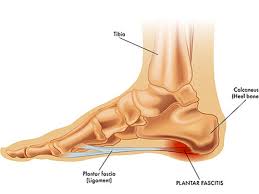
The plantar fascia is a thick band of connective tissue that runs along the bottom of the foot, connecting the heel bone to the toes. It supports the arch and absorbs impact during walking and running.
Plantar fasciitis develops when this tissue becomes overloaded and degenerative. Despite the name, chronic plantar fasciitis is often less about inflammation and more about tissue breakdown.
Common symptoms include:
- Sharp heel pain in the morning
- Pain after long periods of standing
- Discomfort during the first few steps after rest
- Persistent soreness after activity
For many patients, symptoms last months — or even longer — if not properly treated.
Why Traditional Treatments Sometimes Fail?
Conventional treatment often includes:
- Stretching exercises
- Calf mobility work
- Foot strengthening
- Orthotics
- Anti-inflammatory medications
- Cortisone injections
While these approaches can help early-stage cases, chronic plantar fasciitis often involves degenerative tissue changes that require a stronger biological stimulus.
This is where shockwave therapy comes in.
What Is Shockwave Therapy?
Shockwave therapy uses acoustic energy waves delivered directly into the injured tissue. These waves stimulate the body’s natural healing response and promote tissue regeneration.
Shockwave therapy works by:
- Increasing local blood flow
- Stimulating collagen production
- Breaking down scar tissue
- Resetting chronic pain signaling
- Encouraging tissue remodeling
Unlike cortisone injections, shockwave therapy does not suppress symptoms temporarily. Instead, it addresses the underlying tissue dysfunction.
Why Shockwave Is Effective for Plantar Fasciitis?
Plantar fasciitis often becomes chronic because the plantar fascia has limited blood supply. Without adequate circulation, healing slows.
Shockwave therapy improves the biological environment of the tissue by triggering controlled microtrauma that stimulates repair.
For patients in Boulder who:
- Run trails regularly
- Spend long hours on their feet
- Train for endurance events
- Want to avoid injections or surgery
Shockwave therapy can be a powerful solution.
What to Expect During Treatment?
Shockwave therapy sessions are typically short, lasting about 10–20 minutes. Most treatment plans involve multiple sessions spaced over several weeks.
During treatment:
- A handheld device delivers acoustic waves to the heel
- Mild discomfort may occur, especially over sensitive areas
- No anesthesia is typically required
- Patients can usually walk out immediately
Recovery guidelines vary, but most patients are encouraged to modify activity temporarily while the tissue remodels.
When Should You Consider Shockwave Therapy?
Shockwave therapy may be appropriate if:
- Heel pain has lasted longer than 8–12 weeks
- Stretching and strengthening have not resolved symptoms
- Pain returns quickly after activity
- You want to avoid injections or surgery
- Imaging shows chronic degeneration rather than acute tear
Early intervention often leads to faster outcomes.
Benefits of Shockwave for Active Adults
For Boulder’s active population, shockwave therapy offers several advantages:
- Non-invasive
- No downtime
- No medication required
- Supports long-term healing
- Compatible with rehab programs
When combined with proper load management and strength progression, outcomes are often excellent.
The Importance of Integrated Care
Shockwave therapy works best when it is part of a complete plan that includes:
- Movement assessment
- Foot and ankle strengthening
- Calf and Achilles mobility
- Gradual return-to-running protocols
- Proper footwear evaluation
Treating plantar fasciitis requires addressing both the tissue and the mechanics that caused overload in the first place.
Final Thoughts
Plantar fasciitis does not have to become a long-term limitation. If heel pain is preventing you from running, hiking, or simply walking comfortably, shockwave therapy may help restart the healing process.
For active individuals in Boulder who want to stay outdoors and pain-free, shockwave therapy offers a safe, effective alternative to injections and surgery.
The right treatment, applied at the right time, can get you back on the trails — without the constant reminder of heel pain every morning.