
PRP Shot for Runners in Boulder!
Boulder is home to a unique kind of athlete. Trail runners, ultramarathoners, vertical grinders, and mountain adventurers push their bodies differently than road runners. The terrain is uneven. Elevation changes are constant. Muscles and tendons are forced to adapt dynamically.
Because of this, when injuries occur, recovery strategies must be equally advanced.
At Dynamic Athlete, we’ve seen a consistent trend: trail athletes often respond exceptionally well to PRP Therapy Boulder—sometimes faster than expected. But why?
Let’s break down what makes PRP effective for runners, especially in a place like Boulder.
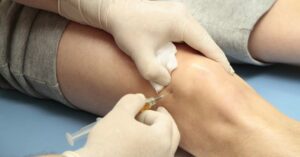
Why Runners Commonly Need PRP
Runners frequently develop:
- Patellar tendon irritation
- IT band-related knee pain
- Early cartilage degeneration
- Achilles tendinopathy
- Chronic inflammation around the knee joint
These conditions often develop gradually. Mileage builds, vert accumulates, and small tissue breakdown becomes chronic.
A PRP injection in knee is commonly used when conservative rehab improves strength but pain lingers—especially for overuse injuries.
What Is PRP and How Does It Work?
PRP (Platelet-Rich Plasma) therapy uses a concentrated portion of your own blood, rich in platelets and growth factors, to stimulate healing.
A PRP injection knee procedure works by:
- Increasing growth factor activity
- Stimulating collagen production
- Enhancing blood flow
- Promoting tissue repair
Unlike cortisone, which suppresses inflammation, PRP encourages biological healing.
For runners who rely on tendon elasticity and joint durability, this distinction matters.
Why Trail Athletes in Boulder Respond Faster
1. Superior Baseline Tissue Health
Trail runners tend to have:
- Strong connective tissue
- High circulation efficiency
- Better neuromuscular control
- Lower systemic inflammation compared to sedentary patients
PRP works best when the body already has strong healing capacity. Boulder’s active population often provides that foundation.
2. Better Load Awareness
Trail athletes are typically more tuned in to:
- Cadence
- Terrain adjustments
- Recovery cycles
- Strength integration
After a PRP shot, proper load management is critical. Athletes who understand progressive loading tend to protect healing tissue more effectively.
3. Integration With Performance-Based Rehab
At Dynamic Athlete, PRP is not a standalone injection. It’s integrated with:
- Movement assessment
- Biomechanical correction
- Strength progression
- Return-to-run protocols
Trail runners are often disciplined with rehab compliance, which accelerates outcomes.
When Should a Runner Consider PRP?
PRP is not the first step. It’s considered when:
- Pain persists beyond 8–12 weeks
- Strength improves but pain remains
- Imaging shows degeneration rather than acute tear
- Repeated flare-ups occur despite smart training
Common cases include:
- Chronic patellar tendon pain
- Persistent knee joint inflammation
- Early cartilage wear
If you’re searching for prp injections near me, it’s often because traditional rehab hasn’t fully resolved symptoms.
PRP Injection in Knee: What Runners Can Expect
A typical PRP injection in knee procedure includes:
- Blood draw
- Platelet concentration processing
- Precision-guided injection
- Short rest period
- Structured reloading plan
Post-injection timeline:
- Mild soreness 3–7 days
- Early improvements in 3–6 weeks
- Tissue remodeling over 8–12 weeks
Trail athletes who respect the reloading window often experience strong PRP therapy Boulder outcomes.
PRP Injections Cost: What Are You Paying For?
Many runners compare PRP injections cost without understanding what affects pricing.
Costs vary based on:
- Quality of platelet concentration
- Imaging guidance
- Clinical expertise
- Rehab integration
- Follow-up care
Lower-cost injections may skip critical steps. At Dynamic Athlete, precision and protocol matter more than volume.
For runners investing in longevity, quality care reduces the need for repeat procedures.
Why PRP Beats “Quick Fix” Injections for Runners
Cortisone can reduce pain quickly—but it may weaken connective tissue over time.
PRP:
- Supports tendon strength
- Promotes long-term adaptation
- Aligns with performance goals
- Reduces reinjury risk
For endurance athletes logging vertical miles, durability matters more than temporary comfort.
Why Boulder Is an Ideal Environment for PRP Success
Boulder athletes typically:
- Strength train consistently
- Cross-train intelligently
- Value recovery strategies
- Prioritize performance longevity
This culture supports better outcomes after a PRP shot.
PRP works best in an environment that supports healing—and Boulder’s athletic ecosystem does exactly that.
Choosing the Right PRP Provider
If you’re researching prp injections near me, ask:
- Is the injection image-guided?
- Is rehab included?
- Is this appropriate for my injury stage?
- What are realistic timelines?
The difference between good and great PRP outcomes often comes down to evaluation and integration.
Why Dynamic Athlete
At Dynamic Athlete, PRP is not a quick solution—it’s part of a long-term performance strategy.
We focus on:
- Proper diagnosis
- Individualized PRP protocols
- Biomechanical correction
- Runner-specific return plans
- Durable results
Our goal isn’t just pain reduction. It’s helping you return to the trails stronger and more resilient.
Final Thoughts
Trail athletes in Boulder often respond faster to PRP Therapy Boulder because their bodies are conditioned for adaptation. When combined with structured rehab and smart loading, a PRP injection knee can restore durability and keep runners moving in the mountains they love.
If you’re dealing with persistent knee pain and considering a PRP shot, the right plan matters as much as the procedure.
At Dynamic Athlete, we help runners heal with purpose—so the trails stay open, not off-limits.