
Boulder is known for high achievement. Endurance athletes train before sunrise. Entrepreneurs push long hours building startups. Professionals balance demanding careers with mountain adventures on the weekends. On the surface, it looks like energy is limitless.
But beneath that drive, many high performers quietly struggle with burnout.
Mental fatigue. Brain fog. Reduced focus. Poor sleep. Irritability. Loss of motivation.
In a community built around performance, burnout often feels like personal failure. In reality, it’s a nervous system problem—and one that can be addressed strategically.
What Burnout Really Is?
Burnout is not simply “being tired.” It is a state of nervous system overload caused by prolonged stress without adequate recovery.
When stress is constant, the brain adapts by shifting into survival mode. Over time, this can lead to:
-
Decreased cognitive clarity
-
Slower reaction time
-
Reduced emotional regulation
-
Impaired decision-making
-
Difficulty concentrating
-
Low motivation
For athletes, this may look like declining performance despite training.
For professionals, it shows up as brain fog and poor productivity.
Burnout is not weakness. It is neurological dysregulation.
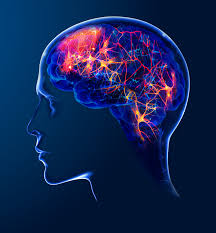
Why Boulder’s High Performers Are Vulnerable?
Boulder’s culture celebrates intensity. Many residents juggle:
-
High-level athletic training
-
Competitive careers
-
Family responsibilities
-
Community involvement
The body may appear strong—but the brain can become overloaded.
Sleep debt, constant stimulation, social media exposure, altitude training, and career pressure compound stress. Over time, the brain’s regulatory systems struggle to maintain balance.
That’s when mental performance begins to decline.
Traditional Approaches Often Fall Short
Typical advice for burnout includes:
-
Take a vacation
-
Meditate more
-
Improve time management
-
Get more sleep
While helpful, these strategies don’t directly address the underlying neural imbalance that develops in chronic stress states.
When the brain is stuck in dysregulation, willpower alone is rarely enough to restore clarity.
How ExoMind Supports Mental Recovery?
ExoMind is a non-invasive neurostimulation technology designed to regulate brain activity and support mental performance.
Rather than targeting symptoms indirectly, ExoMind works by stimulating specific brain networks involved in:
-
Emotional regulation
-
Cognitive clarity
-
Stress resilience
-
Focus and attention
By delivering controlled magnetic pulses, ExoMind encourages healthier neural communication and restores balance in overactive or underactive areas.
This approach moves beyond coping it supports recalibration.
What Mental Restoration Looks Like?
Patients often describe improvements such as:
-
Clearer thinking
-
Faster processing speed
-
Improved mood stability
-
Better sleep quality
-
Increased motivation
-
Reduced mental fatigue
For athletes, this can mean sharper reaction time and improved training consistency.
For professionals, it may restore productivity and decision-making confidence.
Mental performance is not separate from physical performance. They are deeply connected.
ExoMind Is Not a Quick Fix
Neurostimulation is not about instant transformation. It works best as part of a broader performance strategy that may include:
-
Sleep optimization
-
Structured training loads
-
Nervous system recovery practices
-
Movement-based therapy
-
Stress management strategies
ExoMind helps the brain shift out of a chronically overloaded state so these other strategies can be more effective.
Who Should Consider It?
ExoMind may be helpful for individuals experiencing:
-
Persistent brain fog
-
Mental fatigue despite adequate sleep
-
High stress with low resilience
-
Post-concussion cognitive decline
-
Emotional volatility
-
Burnout that doesn’t improve with rest
If you feel physically capable but mentally drained, your nervous system may need more than downtime.
The Bigger Picture: Performance Longevity
In a place like Boulder, the goal is rarely just short-term success. People want longevity decades of strong performance in sport, career, and life.
Mental health and cognitive clarity are foundational to that longevity.
Burnout ignored becomes chronic. Chronic dysregulation impacts relationships, recovery, motivation, and physical health.
Addressing burnout early protects long-term performance.
Final Thoughts
Burnout in Boulder is common but it is not inevitable. High achievement should not come at the cost of mental clarity.
ExoMind offers a science-backed way to restore balance in a dysregulated nervous system. By supporting neural recalibration, it helps high performers regain focus, resilience, and confidence.
If your body is strong but your brain feels tired, it may not be a motivation problem.
It may be time to support the system that drives everything else your brain.